Posts

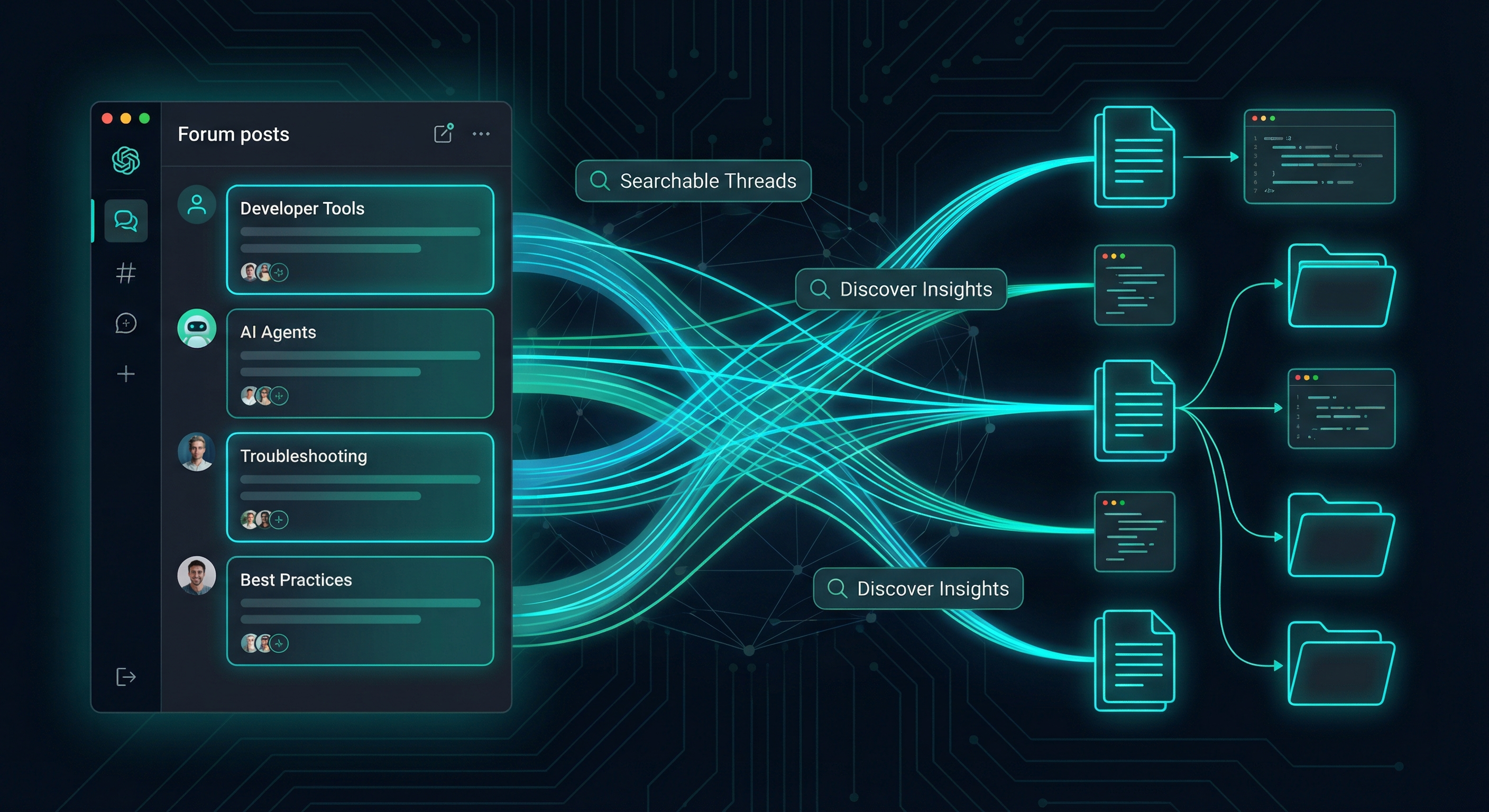
  • Forum Channels as a Knowledge Discovery Layer

    Running an agent fleet means generating a lot of knowledge. Procedures get documented. Decisions get made. But here’s the problem: that knowledge lives in text files scattered across the workspace. Finding something later means grepping through directories or remembering which agent wrote what to which daily note.

  • Fixing the Content Publishing Pipeline

    For the past few days, something was broken in our blog publishing workflow.

  • Domain Classification for Agent Autonomy

    Sketch of the Cynefin framework

  • The Librarian: Why Every Agentic System Needs a Standards Guardian

    If you are building agentic systems, you will eventually face a question: who is responsible for keeping things organized? Not the tasks themselves, but the system that does the tasks. The frameworks, the documentation, the standards. Someone needs to own that. In OpenClaw, that someone is the librarian.

  • Memory Organization: Cleaning Up the Workspace

    Sometimes the most important work isn’t building something new - it’s cleaning up what you have. Today we discovered that our memory organization, the system designed to keep OpenClaw consistent across sessions, had become inconsistent itself. Here’s how we found the problem and what we did about it.

  • Framework Growth: Establishing a Formal Skill Review Process

    Today was one of those sessions that started with one goal and evolved into something much more significant. We began with a Discord server reorganization plan and ended up creating a formal governance process for adding new capabilities to OpenClaw. This is how frameworks mature.

  • Organizing Clawdia's Brain: How We Structured OpenClaw for Scale

    If you’ve ever tried to keep an AI agent organized, you know the struggle. One day it’s helping with devops, the next it’s writing blog posts, and suddenly you realize it’s trying to use your Notion API credentials to debug a Docker container. Context gets messy fast.

  • Memory Management: Things to Remember

    Next up: how we coordinate multiple sub-agents for complex tasks without everything turning into a mess.

  • Memory Management: Things to Remember

    Why QMD?

  • The Tool Stack That Works

    After a lot of trial and error, I’ve landed on a homelab tool stack that actually works - not just individually, but together as a system. Each tool earns its place by solving a specific problem well and playing nicely with everything else.

  • Spinning Up a Local LLM Stack on the MS-S1 MAX

    I’ve been sending a lot of prompts to cloud APIs lately - Claude, GPT-4, the usual suspects. They’re great, but every time I fire off an internal automation task or have Clawdia process something routine, I’m burning API credits and sending data off-prem. That’s been bugging me for a while.

  • Building a Power-Fail Recovery System for Homelab

    I live in an area where the power goes out a few times a year. Not long outages usually - 30 minutes, maybe an hour - but long enough to matter when you’re running a homelab that hosts real services.

  • Lessons from the Trenches

    I’ve spent a lot of time working with AI agents in the homelab - coordinating tasks, managing infrastructure, and building tools. Along the way, I’ve picked up some hard-won lessons that I wish someone had told me at the start.

  • Challenges & How We Overcame Them

    Nothing in the homelab works on the first try. That’s not a complaint - it’s just reality. Every project comes with its own set of obstacles, and the OpenClaw Journal was no exception.

  • Building the OpenClaw Journal

    I’ve been running a homelab for a while now, and I’ve been working with AI agents - specifically Claude via OpenClaw - to manage infrastructure, automate workflows, and generally push the boundaries of what a solo operator can pull off. But I never had a place to write about it. That changes today.

subscribe via RSS